Most punters know the sting of watching a reel stop one symbol short of a payout. That tight miss does more than bruise the ego. It nudges the brain toward another spin, and the industry has leaned on that wiring for decades. We’ll walk through how the casino near miss effect explained actually plays out on the floor, why it matters more than the maths suggests, and what it means when you’re sorting out your first session at a local venue or logging on from home.
How the reel almost pays out
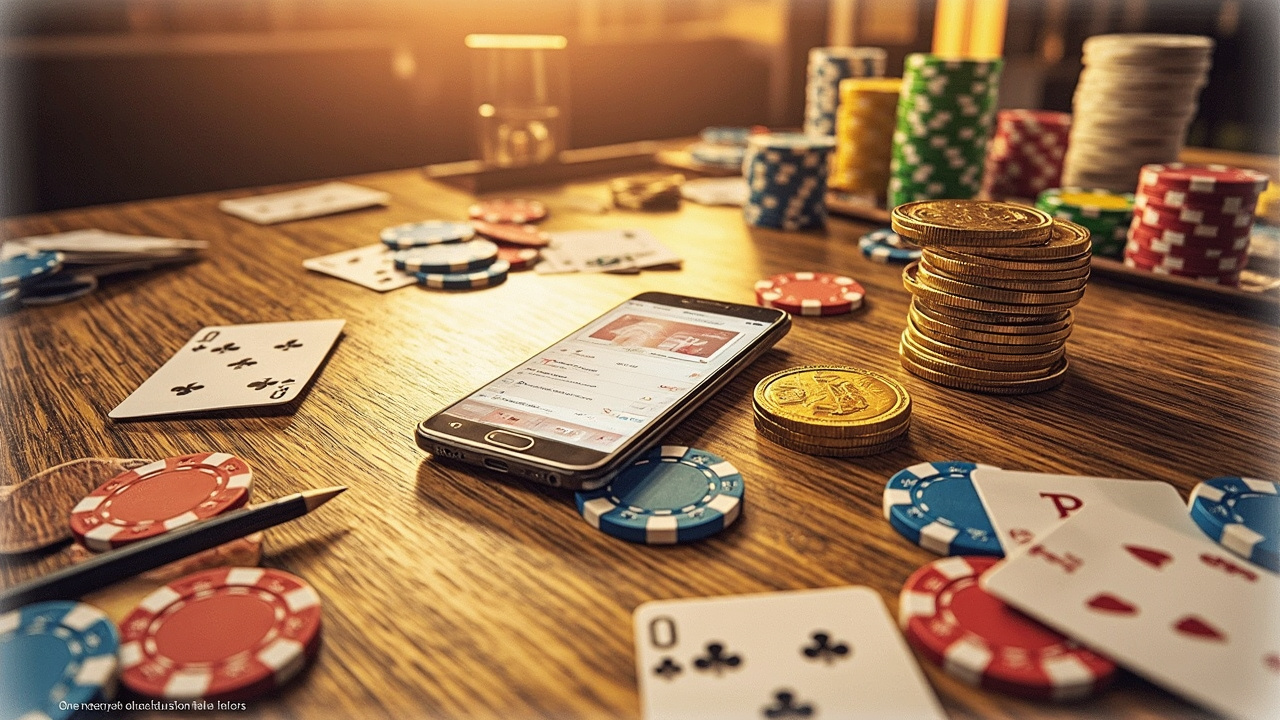
The casino near miss effect explained starts with a simple observation: when two jackpot symbols line up and the third lands just above or below the payline, your pulse spikes almost as hard as a real win. Psychologists call it a near-miss response, and it’s been measured in lab settings for years. The brain reads a near hit as evidence that success is close, even when the random number generator has already decided the outcome before the symbols settle. That illusion of progress is exactly what keeps a session rolling when the bankroll should be heading back to the car.
You see it most clearly on video poker and modern pokies, where the stop positions can be tuned to cluster near-miss patterns around the top prizes. A full house in video poker is three of a kind plus a pair, and it pays out at a fixed rate, but a near miss on that same hand feels like a tease rather than a flat loss. The trick is that the feeling is real even when the edge isn’t. If you’re weighing up where to put your first deposit, it pays to check how a site treats bonus activation and wagering, because a strong signup flow that lays out the rules plainly is worth more than a flashy welcome screen. You can read through the practical side of fast payouts and clear bonus terms athttps://cryptocasinoswiftcashout.com/ before you commit any cash.
The same pattern shows up overseas, and the comparison is worth keeping in mind. In the United Kingdom, the Gambling Commission has pushed operators to limit how often near-miss features are deliberately weighted, and several European markets now require transparent disclosure when a game’s stop distribution is adjusted. New Zealand’s regulators have taken a similar line on advertising that leans on “so close” imagery, while the United States leaves much of it to state-level rules that vary from coast to coast. Australia sits somewhere in the middle: the venues are loud, the pokies are plentiful, and the near-miss effect does the heavy lifting without a single regulator needing to sign off on it.
| Feature | What it looks like on the floor | What to watch for |
|---|---|---|
| Reel clustering | Two symbols on the line, third just off | Feels like progress, isn’t |
| Video poker near misses | One card short of a paying hand | The RNG decided before the draw |
| Bonus timing | Free spins land right after a dry patch | Session momentum, not value |
| Payout framing | “Almost” animations on modern screens | Entertainment, not a signal |
Why the brain reads a miss as a nudge
The casino near miss effect explained isn’t just about reels. It’s about how we judge luck after the fact. When a spin lands close to a payout, the mind rewrites the sequence as a story that’s heading somewhere, rather than a string of independent results. That’s why a dry run can suddenly feel like it’s building toward something, and why a near hit on the final card of three-card monte would feel like a fair shake even though the whole setup is a street swindle disguised as a game. The format changes, but the psychology stays the same: a close call tricks you into treating randomness like a ladder.
That reflex is handy for bookmakers when they’re setting lines on a tight rugby league match, because punters who’ve just had a bet land narrowly off the mark are the ones most likely to have a quiet word with the tab and have another go. I’ve watched https://kids-app.com/video-poker-strategy-guide-for-reelplay-bonuses-and-promotions/ that pattern play out on a Saturday arvo at a busy Canberra club, where the pokies room hums along and the blokes at the counter are debating whether the next race is a value play or a mug’s game. The near-miss feeling doesn’t care about the form guide. It just tells you to stay at the machine a little longer, and that’s the whole point.
There’s a practical side to all of this when you’re actually sitting down to play. If you’re new to a site, the first session is where the habits form, and that’s where registration, verification and a clear first deposit matter more than the welcome offer. A solid signup flow asks for the basics, checks your eligibility, and gets your account verified without turning it into a weekend project. Once that’s done, the first deposit and any bonus activation should be straightforward enough that you can focus on the game rather than the paperwork. The near-miss effect will still do its work, but at least you’ll know exactly what you’re stepping into.
What it looks like in a real first session
The casino near miss effect explained matters most when you’re actually in the chair, because that’s where the feeling turns into a decision. A typical first session starts with the signup, then the eligibility check, then the verification that proves you’re who you say you are and that you’re old enough to be there. Once that’s cleared, you drop in a first deposit, activate any bonus if you want it, and have a proper first play rather than a nervous click on the first button you see. The order matters, because a messy signup can sour the whole experience before a single spin lands.
I’ve seen the same rhythm on the sports side, where a bloke places a speculative bet on a margin line, watches the game finish one point short, and then has a quiet word with himself about whether the next one is worth a look. That’s the near-miss reflex in a different uniform, and it’s just as sticky. The difference is that a sports bookie can show you the line movement and the market depth, while a pokie screen mostly gives you the animation and the sound. One feeds the head, the other feeds the gut, and both can keep you in the seat longer than the maths would suggest.
If you’re sorting out your first go, keep the practical bits in front of you. A clean mobile setup, a loyalty program that actually tracks your play, and support that answers a question without making you repeat yourself are all worth more than a glossy welcome screen. The near-miss effect will still show up, but you’ll at least know whether you’re playing for fun or chasing a feeling that the machine was built to deliver.
How the local scene compares overseas
The casino near miss effect explained looks different depending on where you’re standing, and the local setup has its own quirks. In the UK, operators have had to trim back some of the most aggressive near-miss weighting after regulator pressure, and several European markets now require clearer disclosure when a game’s stop positions are tuned around the top prizes. New Zealand’s regulators have taken aim at advertising that leans on “so close” imagery, while the United States leaves much of it to state-level rules that shift from one coast to the other. Australia’s approach is a bit more hands-off at the venue level, which is why the near-miss effect does so much of the heavy lifting without anyone needing to sign off on it.
That doesn’t mean the local scene is a free-for-all. A licensed operator still has to follow the rules on advertising, responsible play and age checks, and anyone trying to sidestep the geo-blocks with a VPN is often running afoul of the terms of service rather than finding a clever shortcut. I’ve covered enough local sport to know that the rules matter most when the pressure’s on, whether it’s a finals fixture at a Canberra ground or a tight line on the opening race of the day. The same goes for the floor: the near-miss effect is real, but the boundaries around it are what keep a session from turning into a headache.
If you’re weighing up where to play, the practical bits are the ones that hold up. A clear registration flow, a straightforward verification step, a first deposit that lands without fuss, and a bonus that’s explained in plain English are all worth more than a flashy promise. The near-miss effect will still do its work, but at least you’ll know what you’re signing up for and what the rules actually are.
The casino near miss effect explained is really about how a close call feels like progress, even when the maths says otherwise. It shows up on the reels, in the video poker hand, and in the quiet moment after a bet lands just short. The trick is to recognise it for what it is, keep the practical bits in order, and treat the session like a night out rather than a ladder to climb.